

Written By [Wasim Yahya]
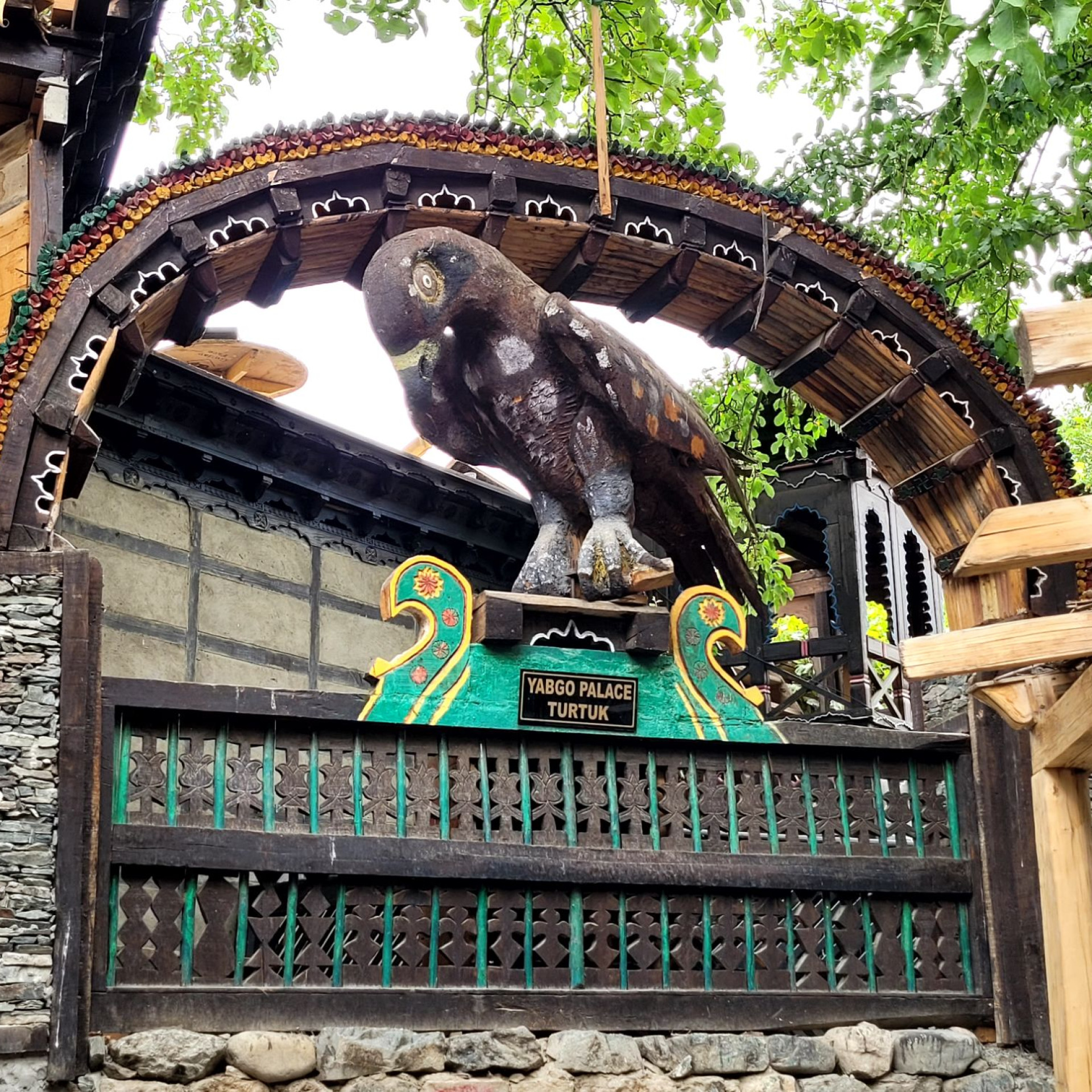
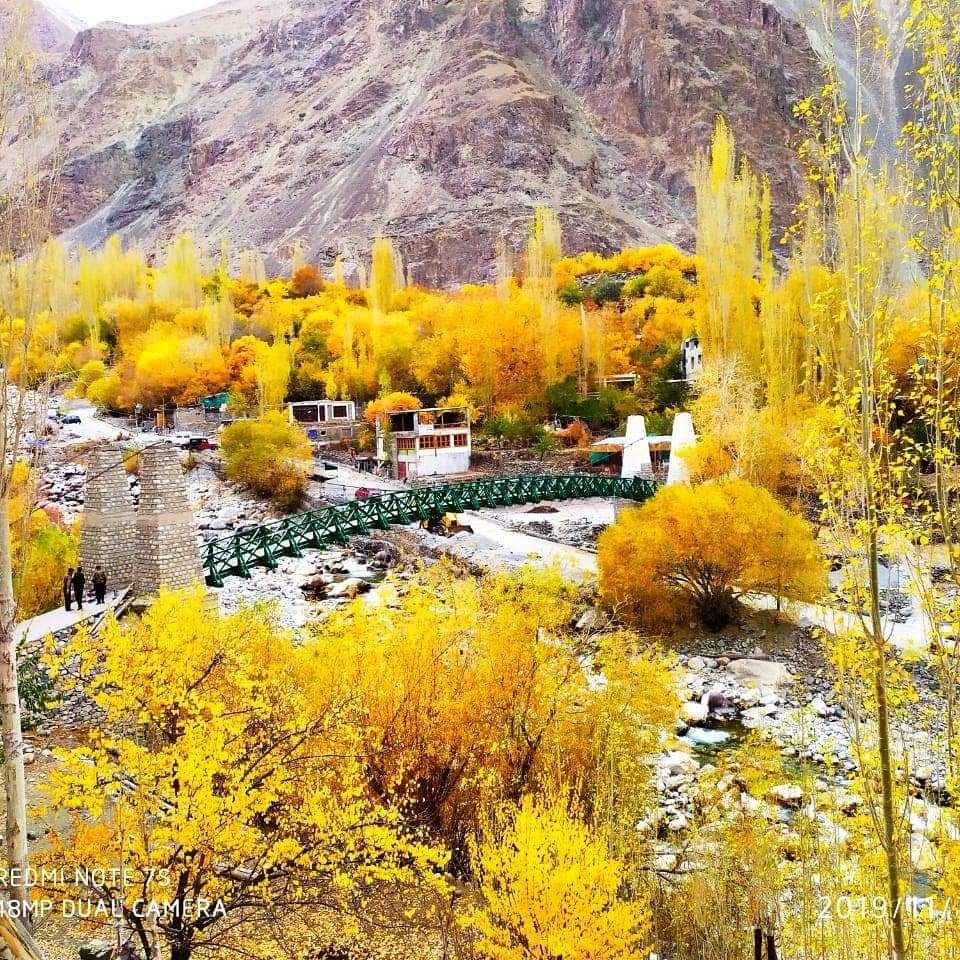
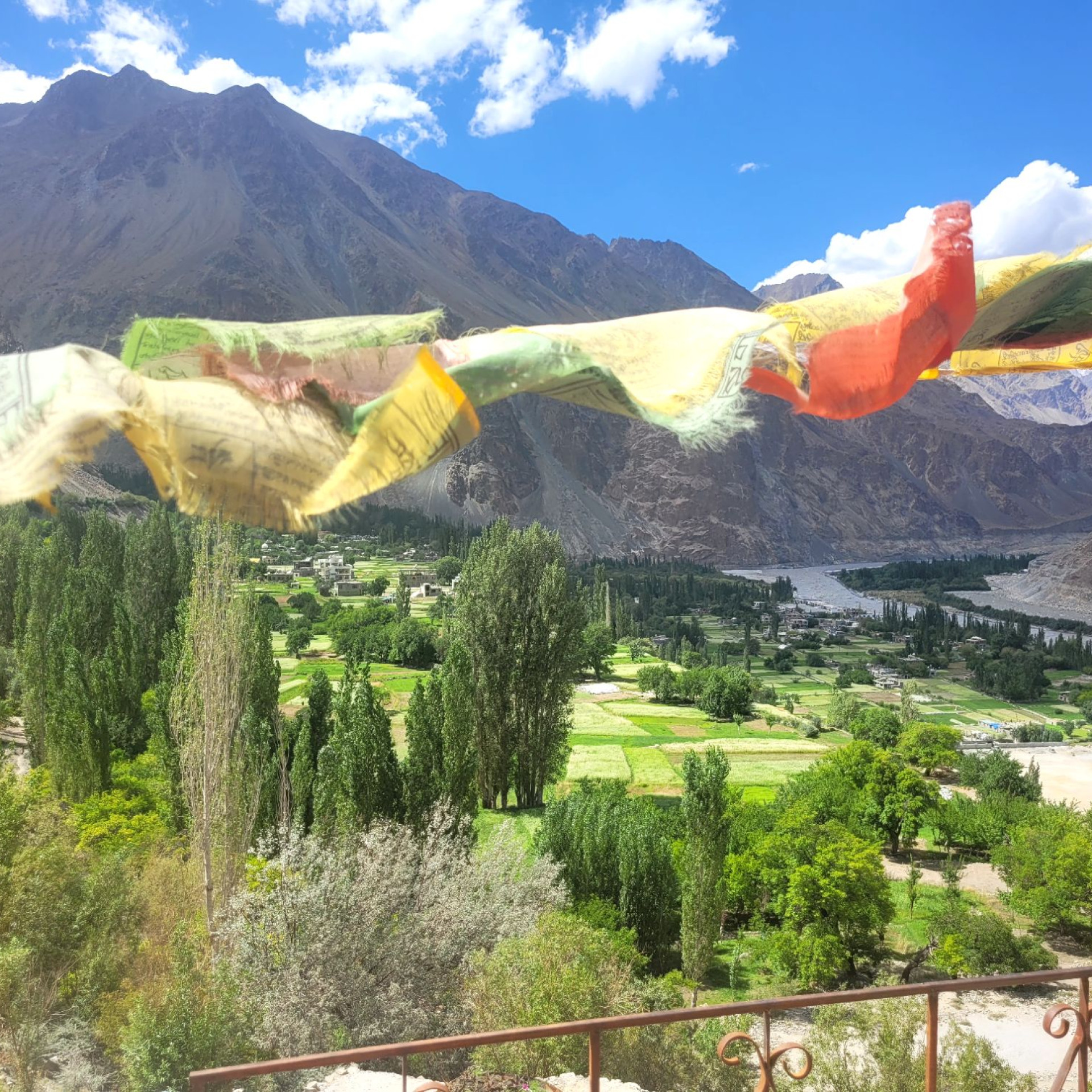
Welcome to the Balti Heritage House and Museum – a sanctuary of culture and history nestled in Turtuk the northern-most region of India. The heritage museum is dedicated to the preservation of the intricate Balti art, culture, tradition, and architecture. Our mission is to maintain the Balti identity within the Indian Balti Diaspora, safeguarding the core elements that define our unique heritage.
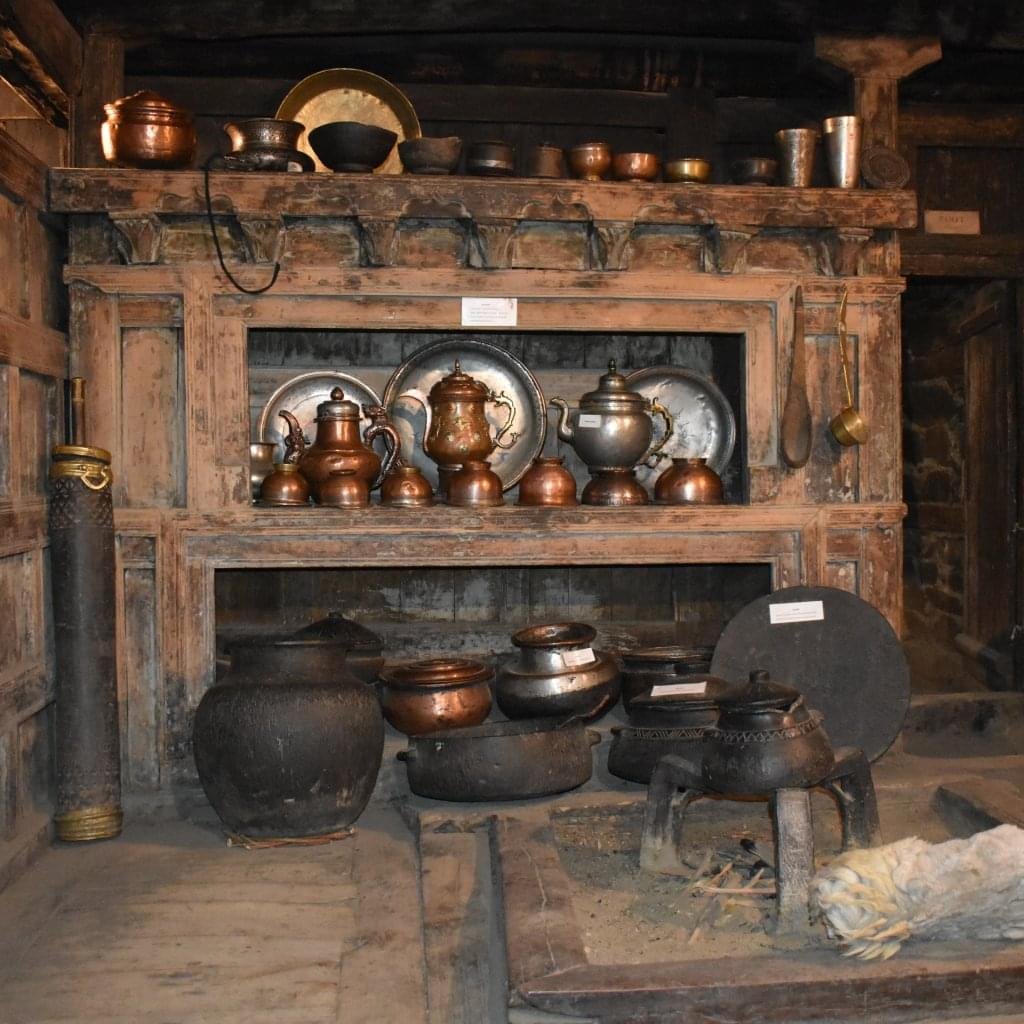
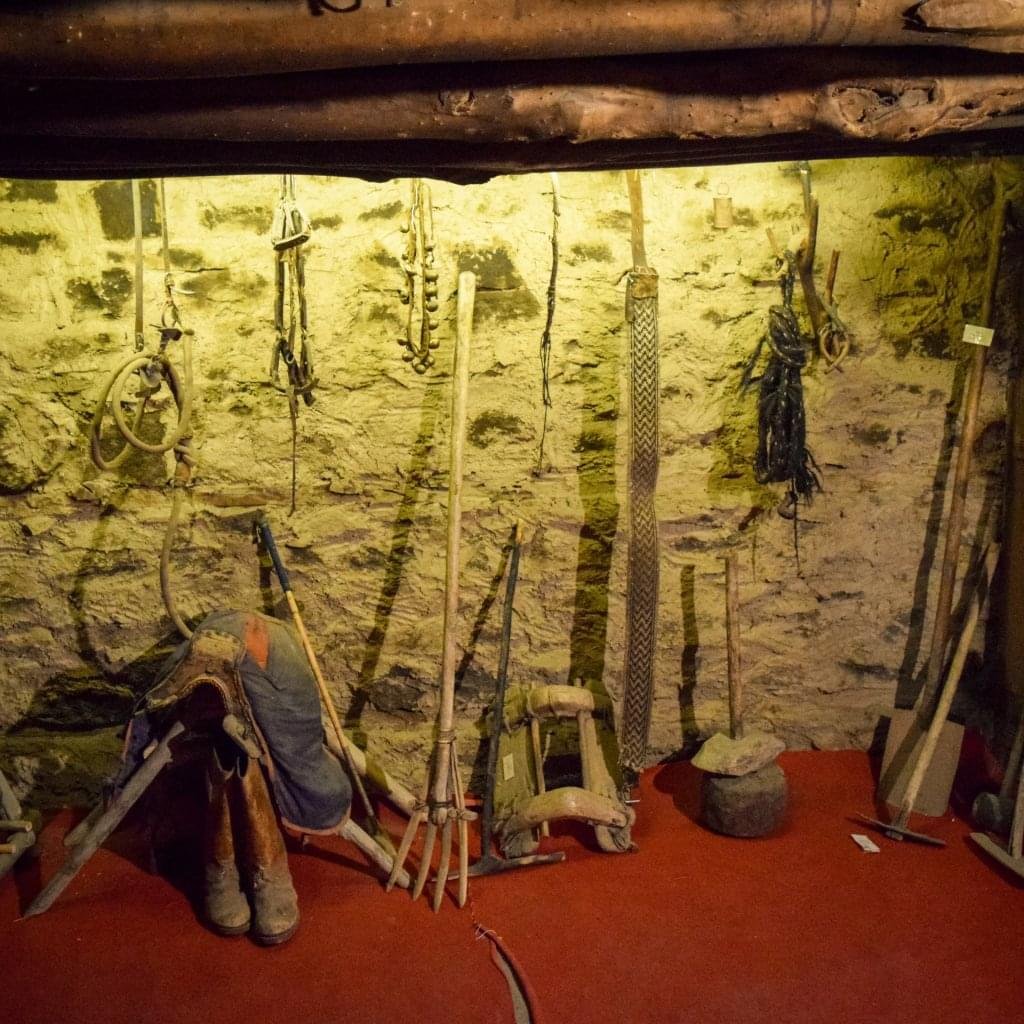
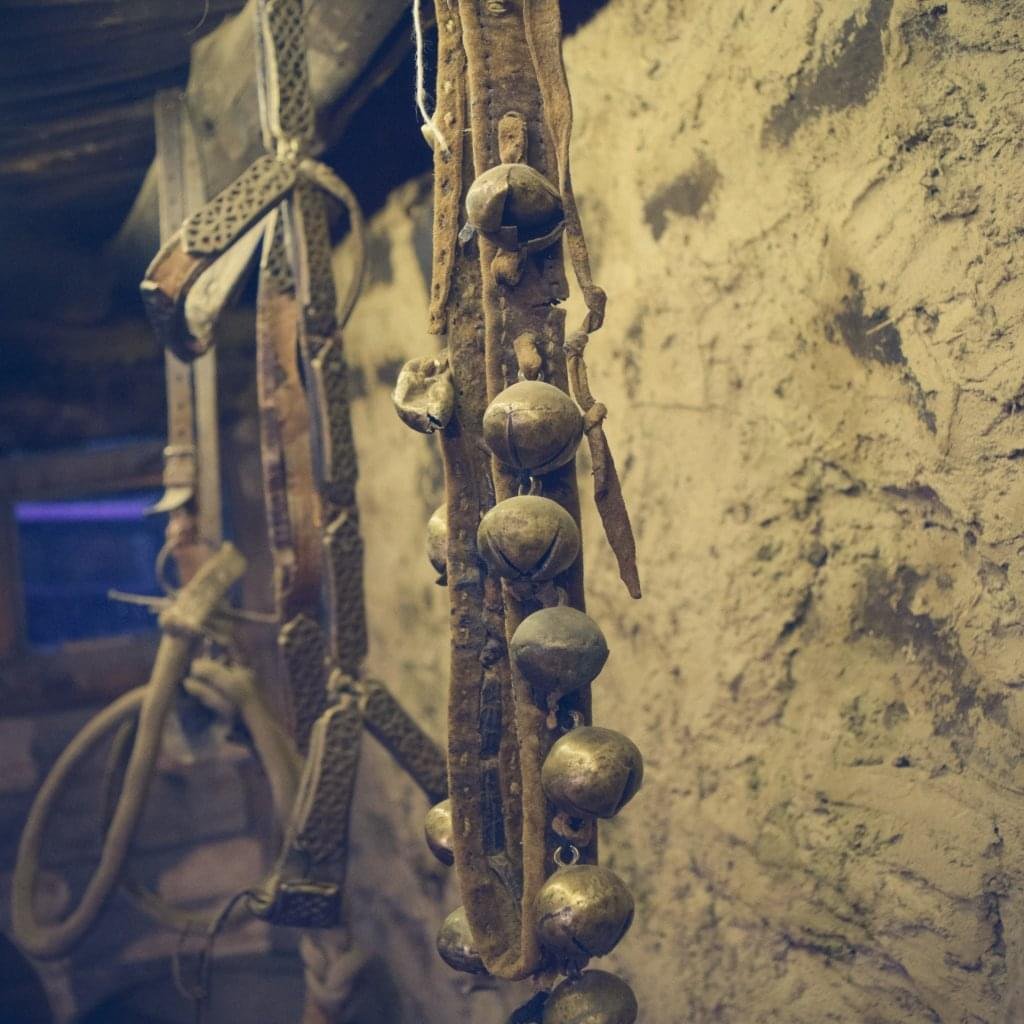
Table of Contents
Discover the Legacy of Seth Ghulam Haider Ashour-
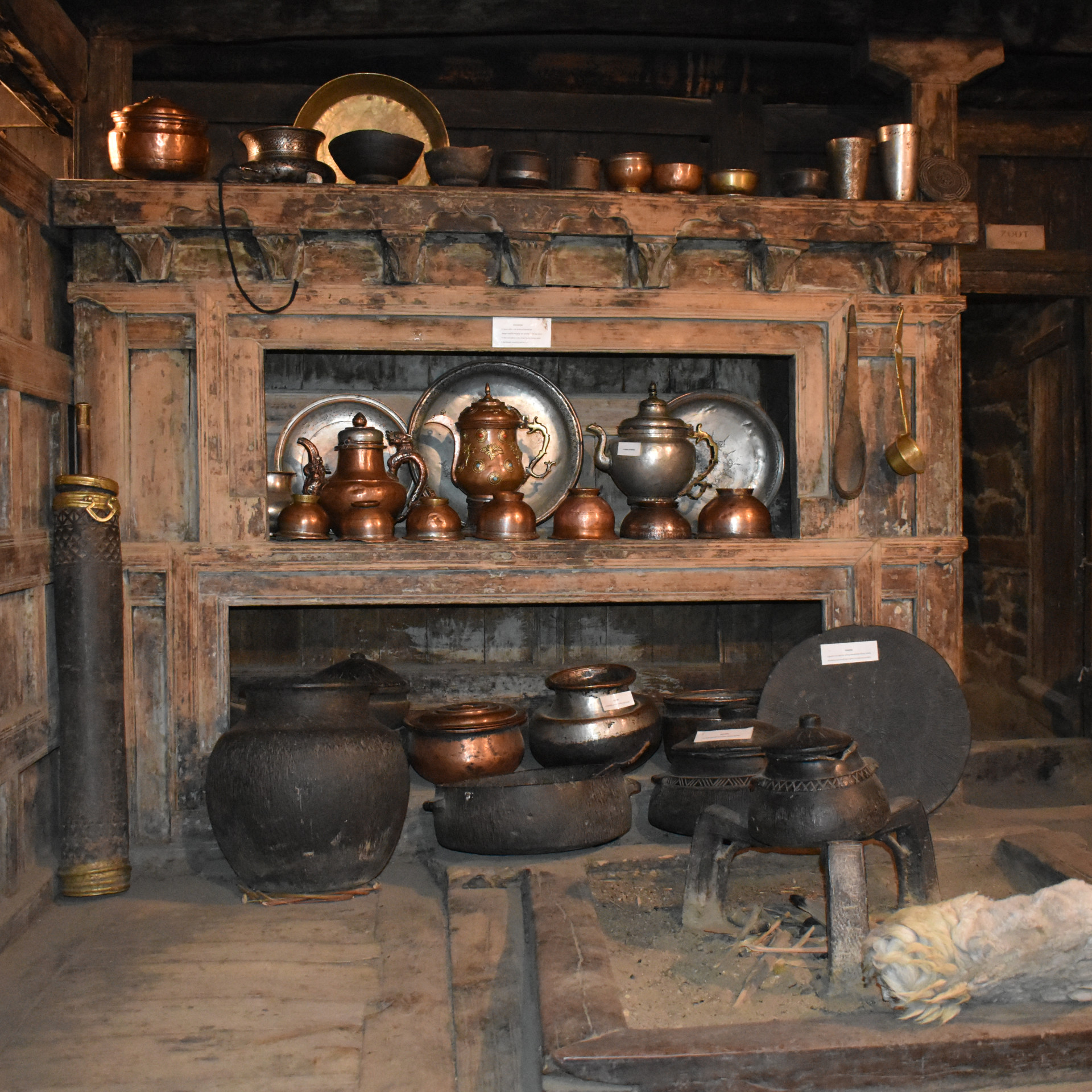
The museum is housed in the ancestral abode of Mohammad Ali Ashour, the current custodian of this historical treasure. It was constructed by Seth Ghulam Haider Ashour, a prominent landlord, trader, and philanthropist from Turtuk. Since opening its doors to the public in 2018, visitors have been offered a glimpse into the rich tapestry of Balti history, culture, lifestyle, and architectural splendor. Our collection boasts a wide array of historic artifacts, including antiques, traditional attires, heirlooms, agricultural tools, and cutleries, each with its own story, passed down through generations in the family.
Architectural Marvels of the Past
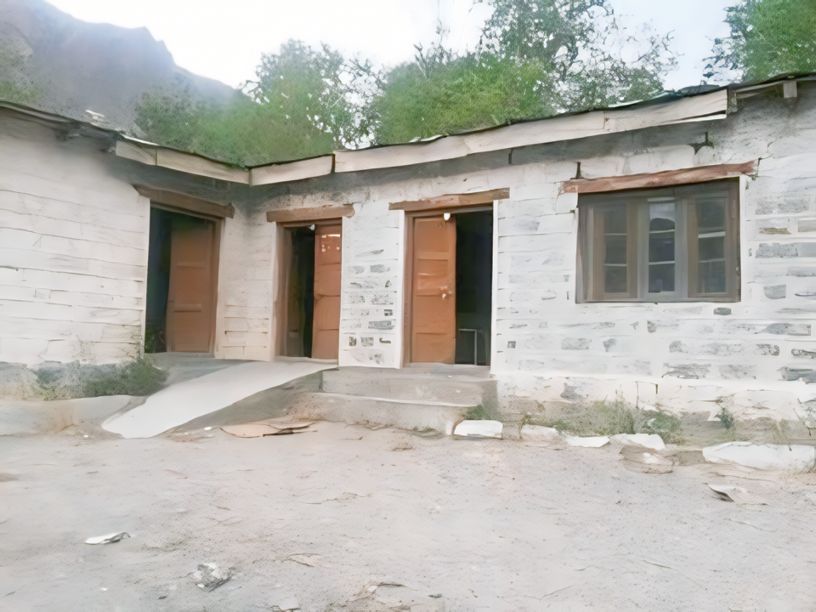
Constructed by the late Apo Ghulam Haider Ashourpa, with foundations laid in the 1890s by Ali Ashourpa, our heritage house stands as a testament to traditional Balti architecture. A blend of Tibetan, Persian, Kashmiri, Mughal, and Central Asian influences, the house features traditional cator and cribbage, wattle and daub, and half-timbering construction techniques. The lead carpenter, Mr. Karim Aqkitpa, along with skilled stone masons and carpenters, meticulously crafted this tri-partite edifice amidst an orchard, now graced by ancient walnut, apple, apricot, and mulberry trees.
Explore the Katsa and Bal-ti
The Katsa, or basement, served as a warm refuge during the frigid winters, comprising a central living room cum kitchen, sleeping quarters, a granary, and a storeroom, all insulated by small cattle rooms. The Bal-ti, or first floor, was the heart of the house during spring and autumn, featuring wooden rooms with low ceilings and small windows to retain warmth. Here, you’ll find a courtyard leading to various rooms, including a kitchen cum living room, sleeping sections, a storeroom with a granary, and a guest room, all adorned with traditional wood and stone pillars and ancient carvings.
Summertime at the Tse-lay
The Tse-lay, a wooden shed on the terrace, offered a cool retreat during the summers, constructed from wooden sheets interwoven with fresh willow sticks.
Join us at the Balti Heritage House and Museum for an immersive journey through time, where every corner tells a story, and every artifact echoes the spirit of the Balti people.
FAQs
1. What is the mission of the Balti Heritage House and Museum?
The mission of the Balti Heritage House and Museum is to preserve and promote the rich Balti art, culture, tradition, and architecture, ensuring the continuity of Balti identity within the Indian Balti Diaspora.
2. Who was Seth Ghulam Haider Ashour, and what is his significance to the museum?
Seth Ghulam Haider Ashour was a prominent landlord, trader, and philanthropist from Turtuk, and the original builder of the heritage house. His ancestral abode now houses the museum, which opened to the public in 2018, showcasing the rich history and culture of the Balti people.
3. What architectural influences can be found in the Balti Heritage House?
The Balti Heritage House features a blend of Tibetan, Persian, Kashmiri, Mughal, and Central Asian architectural influences. Traditional construction techniques such as cator and cribbage, wattle and daub, and half-timbering were used in its creation.
4. What are the key features of the Katsa and Bal-ti within the heritage house?
The Katsa, or basement, served as a warm refuge during winter and included living quarters, a granary, and storage rooms, all insulated by small cattle rooms. The Bal-ti, or first floor, was the main area during spring and autumn, featuring wooden rooms, a kitchen cum living room, sleeping sections, a storeroom, and a guest room.
5. What can visitors expect to see in the museum’s collection?
Visitors to the museum can explore a wide array of historic artifacts, including antiques, traditional attires, heirlooms, agricultural tools, and cutleries, each item telling a unique story passed down through generations.
6. How does the Tse-lay contribute to the summer experience at the heritage house?
The Tse-lay, a wooden shed on the terrace, offered a cool retreat during the summers. It was constructed from wooden sheets interwoven with fresh willow sticks, providing a refreshing escape from the heat.
Learn more here
click here to visit the official Instagram handle of “Balti Heritage House and Museum”





Post Discussion
9 thoughts on “Balti Heritage House and Museum”
BEST PRIVATE PROXIES – Elite quality, Unrestricted bandwidth, 1000 mb/s superspeed, 99,9 uptime, Non successive IP’s, No usage limitations, Multiple subnets, USA or Europe proxies – Buy Now – DreamProxies.com
Excellent post. I was checking constantly this blog and I’m impressed!
Very helpful info particularly the last part 🙂 I care for such information much.
I was looking for this certain info for a very long time.
Thank you and good luck.
my web site; casino en ligne
It’s great seeing platforms like Legend Link PH adapt to local preferences – peso transactions & GCash are key! Responsible gaming is vital, and a secure account (like through the legend link ph app download) feels reassuring. Let’s all play smart & enjoy!